
Can You Be a Surrogate After Tubal Ligation?

Michael Chally
Women often decide to get their tubes tied once they feel their family is complete. But what if, later on, you feel called to help another family grow? Can you be a surrogate after tubal ligation? The reassuring answer is yes — you can be a surrogate with your tubes tied.
Tubal ligation prevents natural conception, but it does not actually prevent you from carrying a healthy pregnancy. Gestational surrogacy uses a donor’s eggs via in vitro fertilization (IVF) — not your own. So, your fallopian tubes are not involved in the pregnancy process. Your ability to support a healthy pregnancy is what matters in surrogacy — not your ability to conceive one.
At North West Surrogacy Center, we recognize that women who have had their tubes tied can be excellent surrogacy candidates. This guide will walk you through how you can be a surrogate after tubal ligation, and what to expect medically, emotionally, and practically.
How Tubal Ligation Affects Fertility
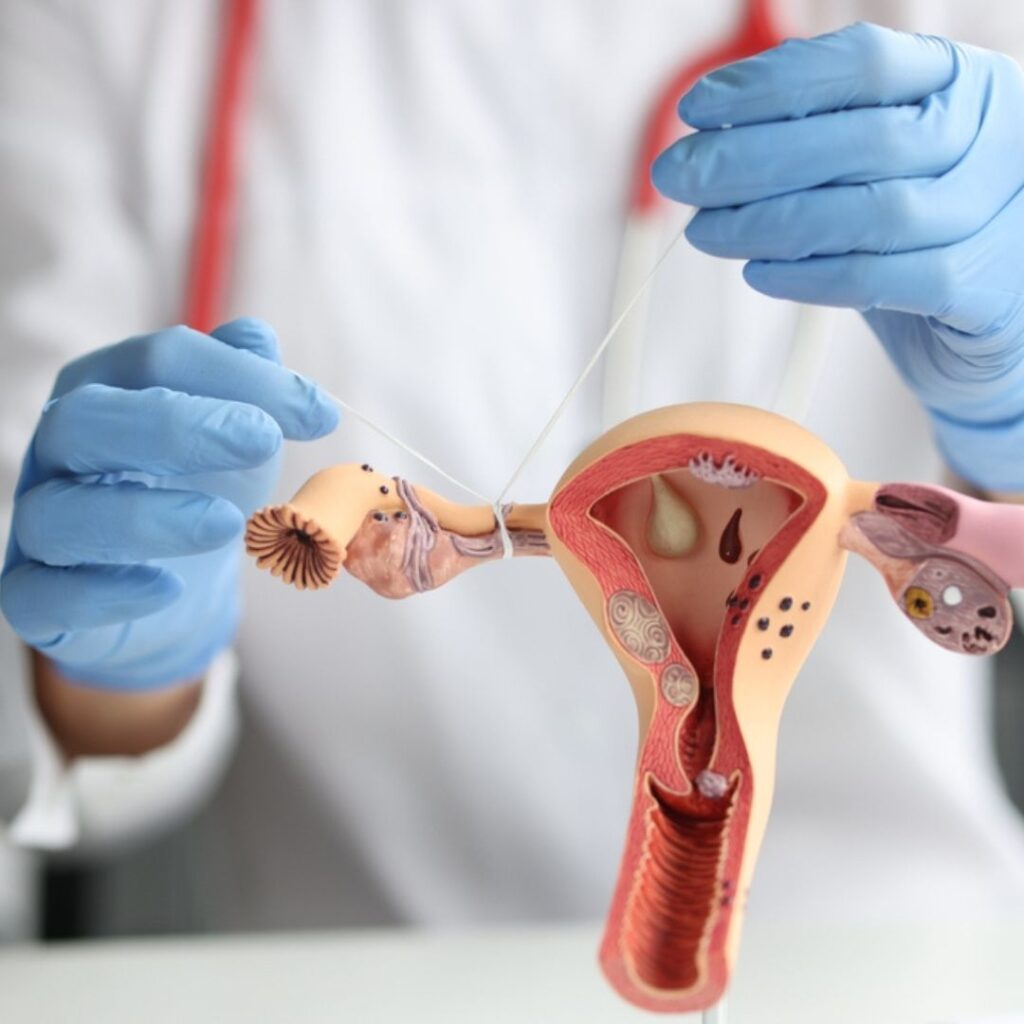
Tubal ligation blocks the fallopian tubes so sperm and egg can’t meet, which prevents natural conception. The procedure does not stop menstruation, and it typically does nothing to impair a woman’s uterine health or reproductive hormone system.
So while tubal ligation prevents natural pregnancy, it does not prevent pregnancy through IVF.
To become a surrogate, a woman needs a healthy uterus and functioning hormones to support pregnancy — but ovulation itself isn’t required.
In gestational surrogacy, the surrogate’s egg is not used. Instead, IVF creates an embryo using the intended parents’ (or donors’) egg and sperm, and that embryo is transferred directly into the surrogate’s uterus — bypassing the fallopian tubes entirely. That’s why you can still be a surrogate after tubal ligation — or even tubal removal.
Surrogacy screenings evaluate a woman’s overall hormonal health and ability to support a pregnancy — not whether she can conceive naturally.
Why You Can Still Be a Surrogate After Tubal Ligation
You can be a surrogate after tubal ligation because gestational surrogacy relies on your body’s ability to nurture a pregnancy — not on your fallopian tubes to make it happen. What matters most is that your uterus can support a developing baby and that your hormones respond normally during IVF preparation.
During surrogacy, doctors use medication to help the body prepare for the embryo’s implantation and pregnancy. These hormones thicken the uterine lining and allow doctors to monitor how your body responds during treatment. Your tubes play no role in gestational surrogacy.
A tubal ligation does not disqualify you from surrogacy. Many women go on to become excellent surrogates after having their tubes tied — as long as screening confirms their bodies can support a safe, healthy pregnancy.
How IVF Works for Surrogates With Tied Tubes
The IVF process for a surrogate with her tubes tied is virtually the same as for any other because gestational surrogacy doesn’t involve the fallopian tubes at all. After tubal ligation, the uterus is still fully capable of nurturing a pregnancy, and IVF places the embryo directly into the uterus.
Actually, a couple of advantages can make a surrogate with her tubes tied an especially strong candidate:
- No risk of accidental natural pregnancy during IVF preparation, since the fallopian tubes are already blocked. This reduces one of the major concerns during surrogacy medication cycles.
- No risk of ectopic pregnancy in the fallopian tubes, which is a rare but serious complication that IVF specialists must consider with other candidates.
If a woman has a healthy uterus and normal reproductive hormone function, the IVF process works the same whether her tubes are tied or intact. Fertility medication prepares the uterine lining, the embryo is transferred into her uterus, and medical monitoring confirms conception and tracks the pregnancy’s progress.
What Agencies Evaluate During Screening
At Northwest Surrogacy Center, we honor every woman who steps forward with the generosity and courage to help another family grow. Because surrogacy asks so much of both body and heart, NWSC carefully screens every candidate — not only to ensure a safe, healthy pregnancy, but also to make sure the journey will be positive and emotionally supported for everyone involved.
During screening, surrogacy agencies typically review several key factors, including:
- Reproductive history: This includes the health of your previous pregnancies, deliveries, and any complications.
- Uterine and hormonal health: To confirm that your body can support IVF and carry a healthy pregnancy.
- Overall physical health: Ensuring you are medically fit to support the demands of pregnancy.
- Emotional health: Reviewed by a licensed professional to ensure the journey can be safe and well-supported.
- Legal eligibility: Confirming you live in a state that supports surrogacy.
- Lifestyle stability: Such as reliable childcare, transportation, and a supportive home environment.
- Psychological and background checks: Checks are done to keep everyone involved safe and educated on their history.
- Family-building goals: Many agencies prefer candidates who have completed their own families and feel ready to support someone else’s.
Certainly, you can be a surrogate if your tubes are tied. Generally, a woman chooses tubal ligation only when she has completed her own family, which is something most agencies appreciate. It demonstrates that she fully understands both the physical and emotional stakes and is choosing surrogacy for the right reasons.
Next Steps If You’ve Had a Tubal Ligation
You can be a surrogate if your tubes are tied. If you’ve had a tubal ligation and now feel called to support another person’s path to parenthood, we would love to connect with you. Completing our online interest form is the best first step. A member of our U.S.–based team will reach out personally to answer your questions, explain how surrogacy works after tubal ligation, and help you understand whether surrogacy is a good fit for you.
At Northwest Surrogacy Center, we would be honored to walk beside you through every step of your journey. We provide clear guidance, expert medical coordination, generous surrogate compensation, and compassionate support from start to finish.
Ready to see if you qualify as a surrogate?
If you are a healthy, nonsmoking woman between the ages of 21 and 41 years old and have had previous healthy, full-term pregnancies, we would love to hear from you!
Ready to take the first step to parenthood?
Schedule a free consultation with our team to answer your questions and discuss the surrogacy process, including matching times and costs.